
Shelf space gets a logic
Products are grouped by shopper behavior, category role, visibility needs and commercial priority.
Product placement, category flow and shelf logic are designed to improve visibility, inventory control and shopper decisions across retail formats.
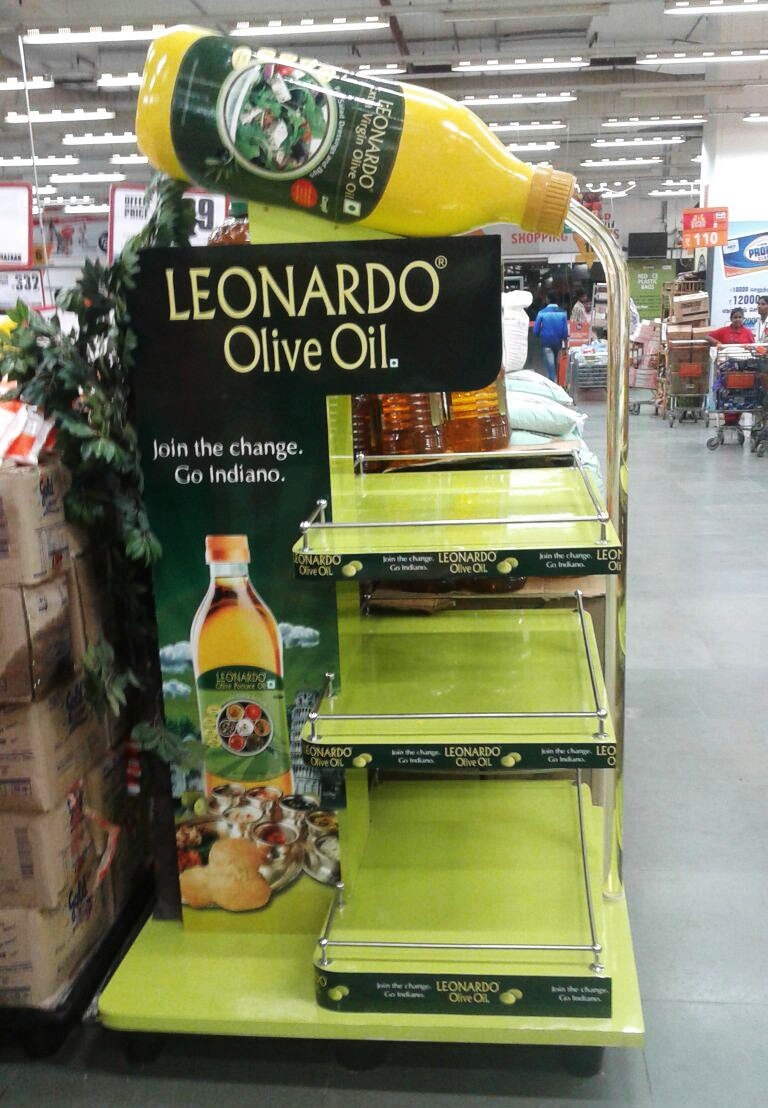
Retail 1 structures shelf space, category flow, product placement and display logic so stores are easier for customers to navigate and easier for teams to monitor after launch.
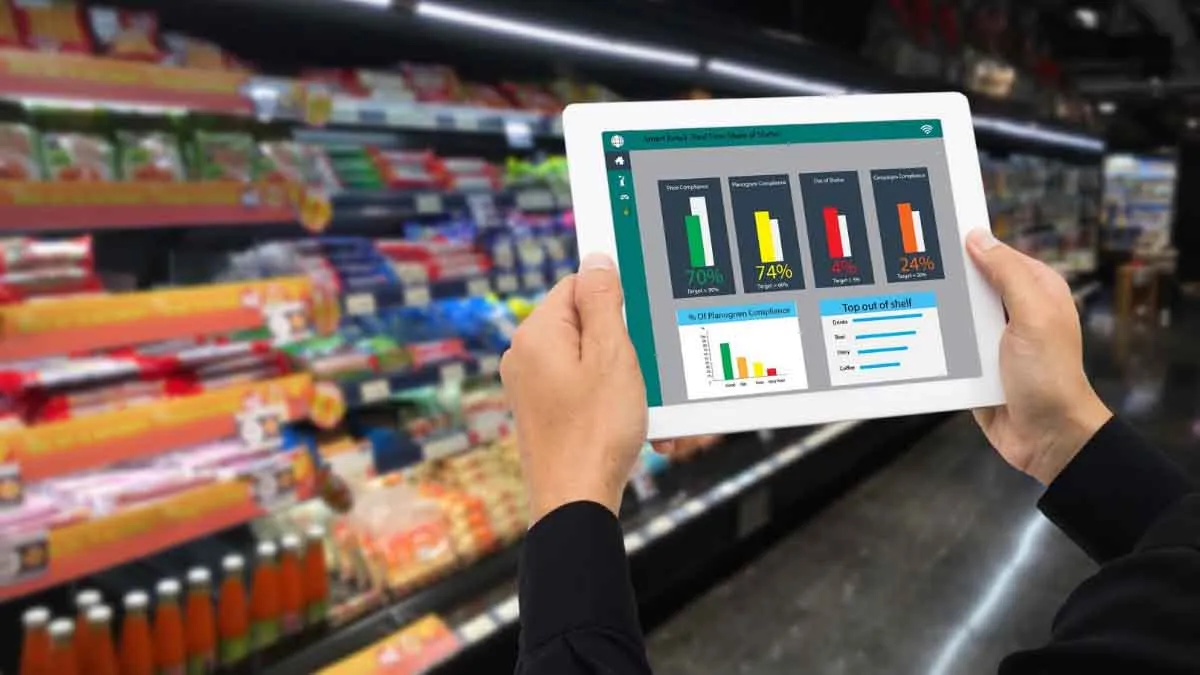
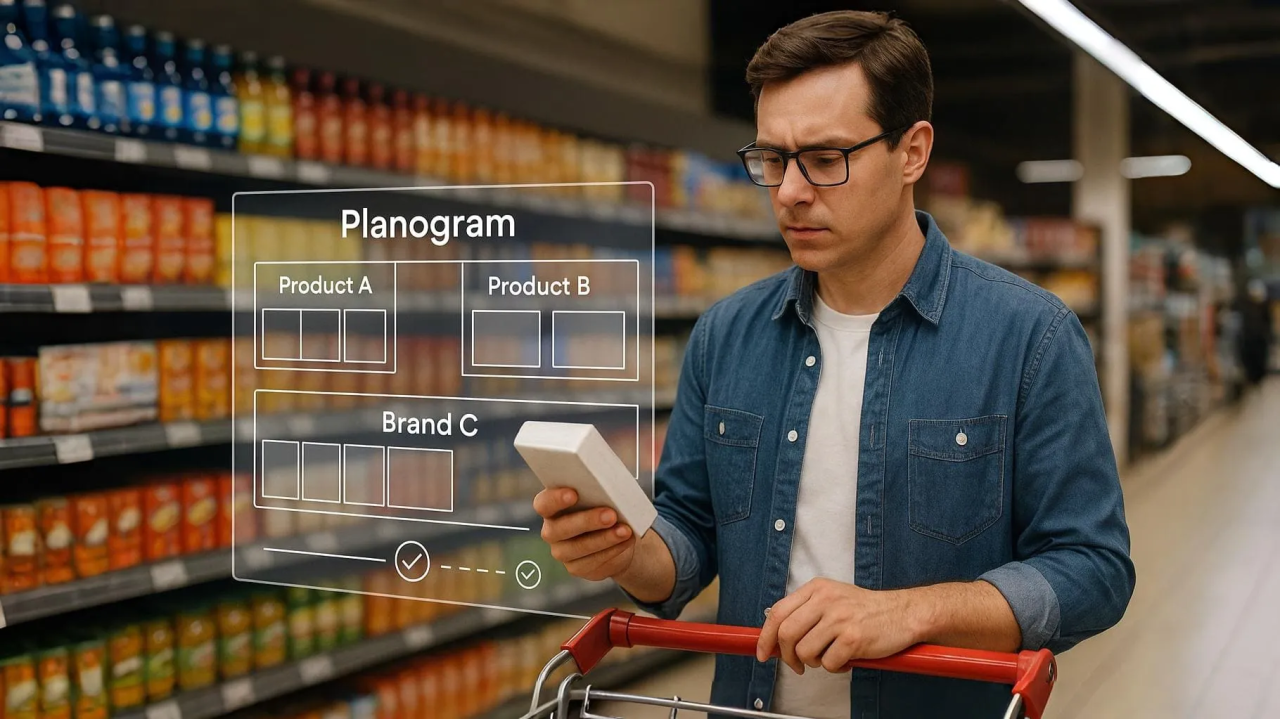
Products are grouped by shopper behavior, category role, visibility needs and commercial priority.
Store teams get a practical standard for placement, replenishment and merchandising compliance.
Planograms create a reference point for audits, refreshes, SKU movement and performance improvement.
Instead of a generic capability list, the scope is grouped around the decisions a serious B2B buyer has to make before shortlisting an execution partner.
Adjacency, range grouping, product hierarchy, shopper path and decision-point planning.
Space allocation, visibility levels, hero SKU placement and sales-priority zones.
Planogram maps, fixture instructions, SKU placement guides and merchandising standards.
Audit checks, variation tracking, correction notes and refinement after store feedback.
The flow keeps the page concise while making Retail 1's operating model clear to search engines, AI summaries and procurement teams.
Category mix, SKU count, fixture size, shopper behavior and sales priorities.
Adjacency, product grouping, shelf levels, facing logic and hero-product zones.
Store instructions, display setup, team guidance and visual placement checks.
Audit feedback, stock movement, shopper response and seasonal updates.
Collapsed by default, written for real decision-makers, and structured for answer engines without making the page feel like a data dump.
Retail planogramming is the planning of product placement, shelf flow, category adjacency and fixture usage so shoppers can find and compare products more easily.
It improves visibility, navigation, replenishment, inventory control, brand compliance and sales opportunities at shelf level.
Yes. Planograms can vary by store size, fixture type, SKU count, category priority, local demand and brand standards.
Yes. Planogram logic can connect with display design, signage, fixtures and visual merchandising so shelves and campaigns work together.
Share the format, city list, launch date and current scope. The team can map the route quickly.